
Loading...
Loading...
Purchasing a firearm is a significant responsibility. For many new gun owners, owning a firearm represents personal protection, recreational shooting, hunting, or exercising a constitutional right. Regardless of the reason, safe and effective firearm ownership requires more than purchasing a gun and storing it at home.
Professional firearms training provides the knowledge, skills, and confidence necessary to handle firearms responsibly. While many people gather information from friends, family members, videos, or online forums, structured instruction from certified firearms instructors offers a foundation that helps prevent accidents and promotes safe gun ownership.
First-time gun owners come from many different backgrounds. Some have prior military or law enforcement experience, while others may have never handled a firearm before their purchase.
Professional training helps bridge that knowledge gap by providing clear instruction on:
Learning these skills from qualified instructors helps create responsible gun owners who understand both the capabilities and responsibilities that come with firearm ownership.
The foundation of every firearms training course begins with safety. Certified instructors teach students how to safely handle firearms under a variety of conditions.
Core firearm safety principles include:
| Firearm Safety Rule | Purpose |
|---|---|
| Treat every firearm as if it is loaded | Prevent careless handling |
| Keep the muzzle pointed in a safe direction | Reduce accidental injury risk |
| Keep your finger off the trigger until ready to shoot | Prevent unintended discharges |
| Know your target and what is beyond it | Promote safe shooting decisions |
While these rules may appear simple, professional instruction reinforces them through repetition and practical application.
New gun owners often develop habits during their first few experiences with firearms. Professional training encourages correct techniques from the beginning, helping students avoid unsafe practices that can become difficult to correct later.
Owning a firearm does not automatically mean someone knows how to operate it safely or efficiently.
Professional instructors teach students how to:
These skills improve both safety and confidence while reducing the likelihood of mistakes during firearm use.
Many new gun owners experience uncertainty when handling firearms for the first time. This is completely normal.
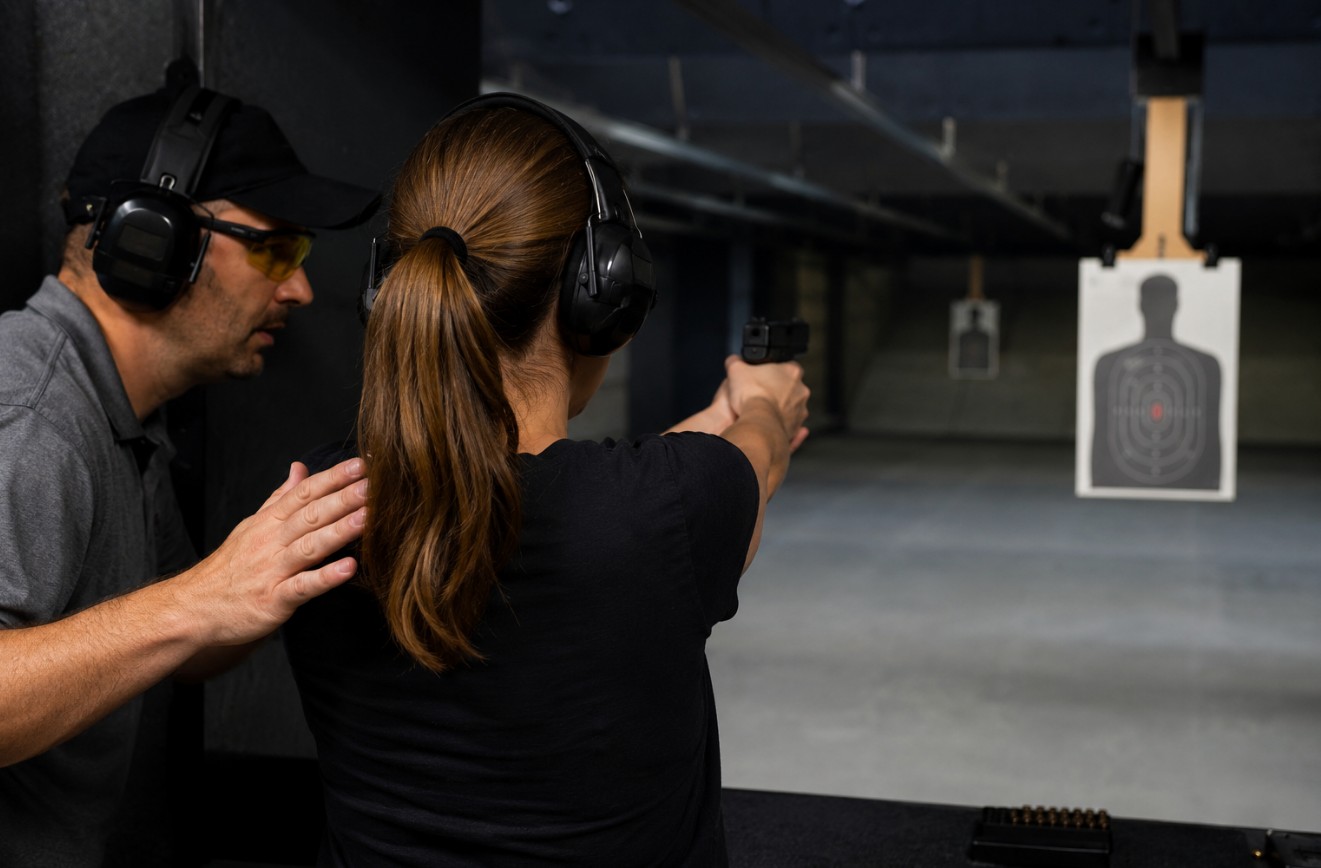
Professional training provides a structured environment where students can ask questions, practice skills, and receive immediate feedback.
As skills improve, confidence naturally grows.
A confident shooter is more likely to:
First-time shooters often feel overwhelmed when visiting a shooting range. Professional instruction helps students become familiar with range commands, etiquette, and expectations.
Understanding how a range operates creates a safer and more comfortable experience for everyone involved.
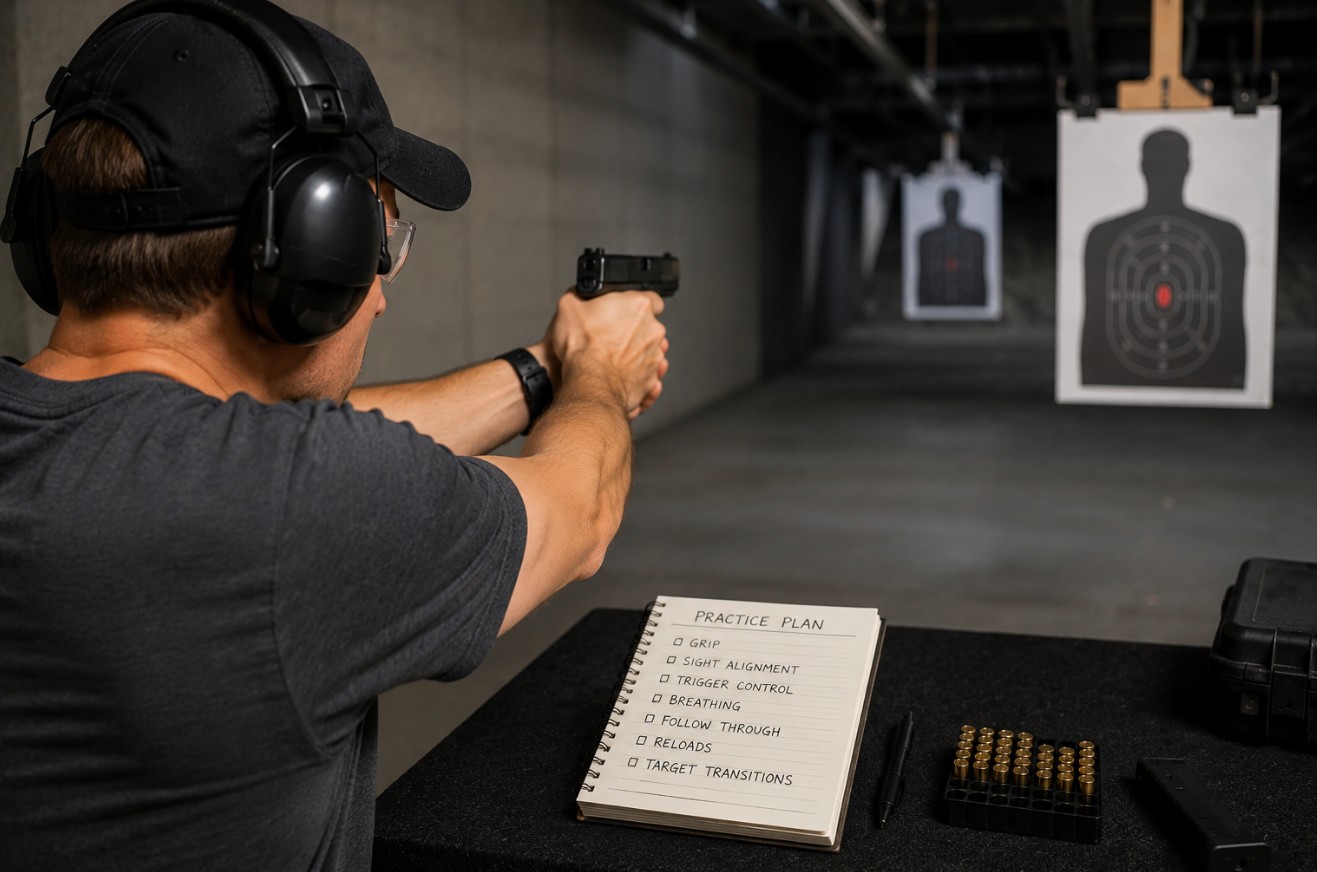
Many people assume shooting accurately is simply a matter of aiming and pulling the trigger. In reality, effective marksmanship requires multiple skills working together.
Professional instructors teach:
A consistent grip helps improve firearm control and recoil management.
Understanding how to align sights correctly plays a major role in shot placement.
Smooth trigger presses help maintain sight alignment and improve accuracy.
Managing breathing can improve stability and consistency during shooting.
Through guided practice, students learn techniques that help them become more effective shooters.
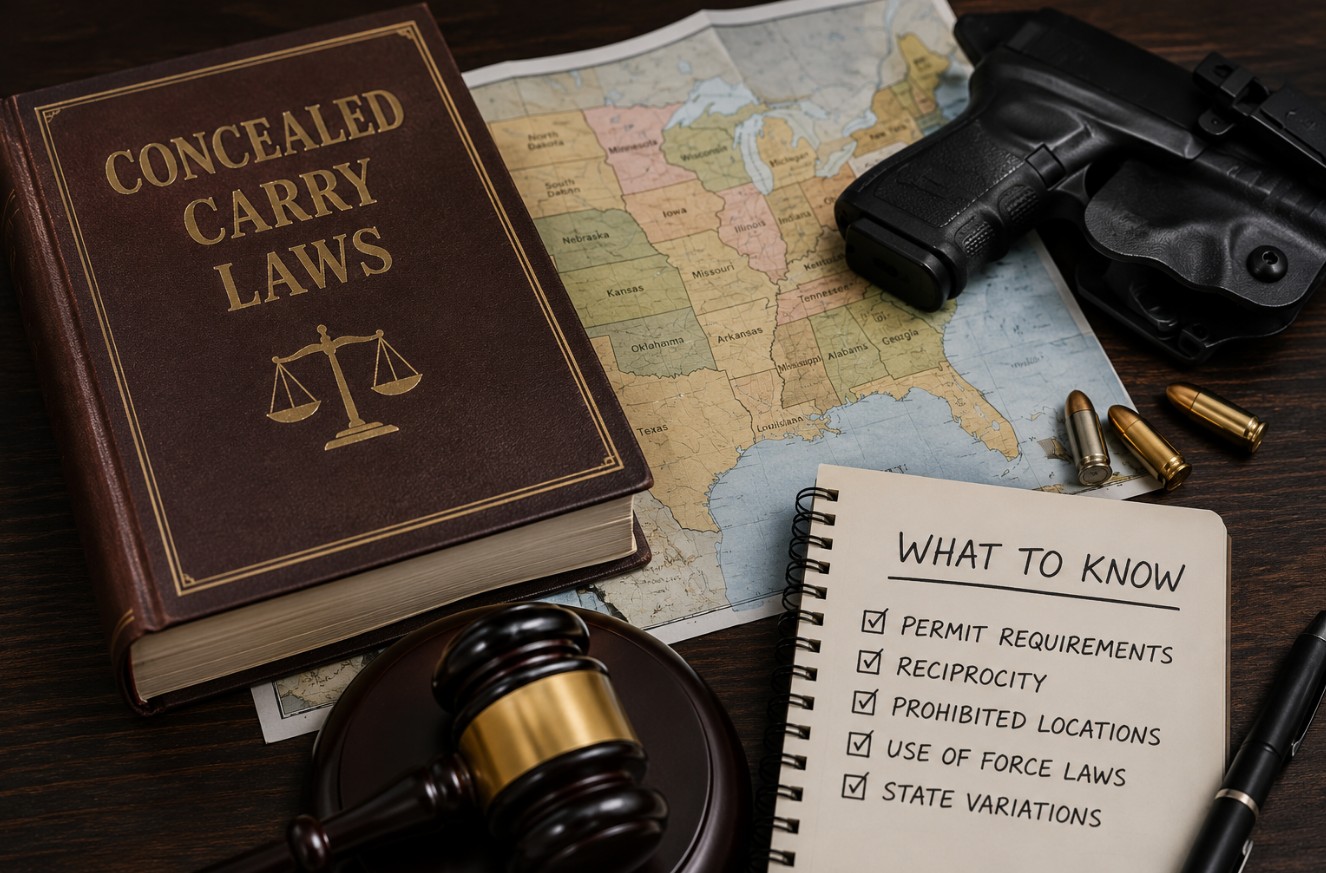
Firearm laws vary by state and can change over time. New gun owners should understand the legal responsibilities associated with firearm ownership.
Many professional training courses cover topics such as:
Understanding these laws helps gun owners make informed decisions and avoid legal complications.
For individuals pursuing a concealed carry permit, training often serves as an important part of the licensing process.
Courses designed for concealed carry applicants help students understand both practical skills and legal obligations related to carrying a firearm in public.
Firearm ownership extends beyond range use and personal defense. Safe storage is a critical responsibility for every gun owner.
Professional instructors educate students on storage methods that help prevent unauthorized access while maintaining accessibility when needed.
Common storage options include:
Proper storage can help protect children, visitors, and other household members from accidental access.
Firearms skills can diminish over time without regular practice. Professional instruction introduces students to the concept of continuous learning.
After completing an introductory course, many students continue their education through:
Continued education helps shooters maintain proficiency and stay informed about evolving laws and safety recommendations.
Training courses often provide opportunities to meet other individuals who share an interest in firearm safety and responsible ownership.
These connections can encourage ongoing practice, continued education, and participation in local shooting communities.
Some new gun owners consider self-teaching through online videos or informal guidance from friends. While these resources may offer helpful information, they cannot replace the value of hands-on instruction from qualified professionals.
Professional firearms training provides:
The knowledge gained during professional training can have a lasting impact on how a person handles, stores, and uses firearms throughout their lifetime.
Owning a firearm carries significant responsibility. Professional firearms training equips new gun owners with the skills, knowledge, and confidence needed to handle firearms safely and responsibly.
From mastering safety fundamentals and improving shooting accuracy to understanding legal responsibilities and safe storage practices, professional instruction offers benefits that extend far beyond the shooting range.
For anyone new to firearms, investing in quality training is one of the most important steps toward becoming a responsible, informed, and capable gun owner.