
Loading...
Loading...
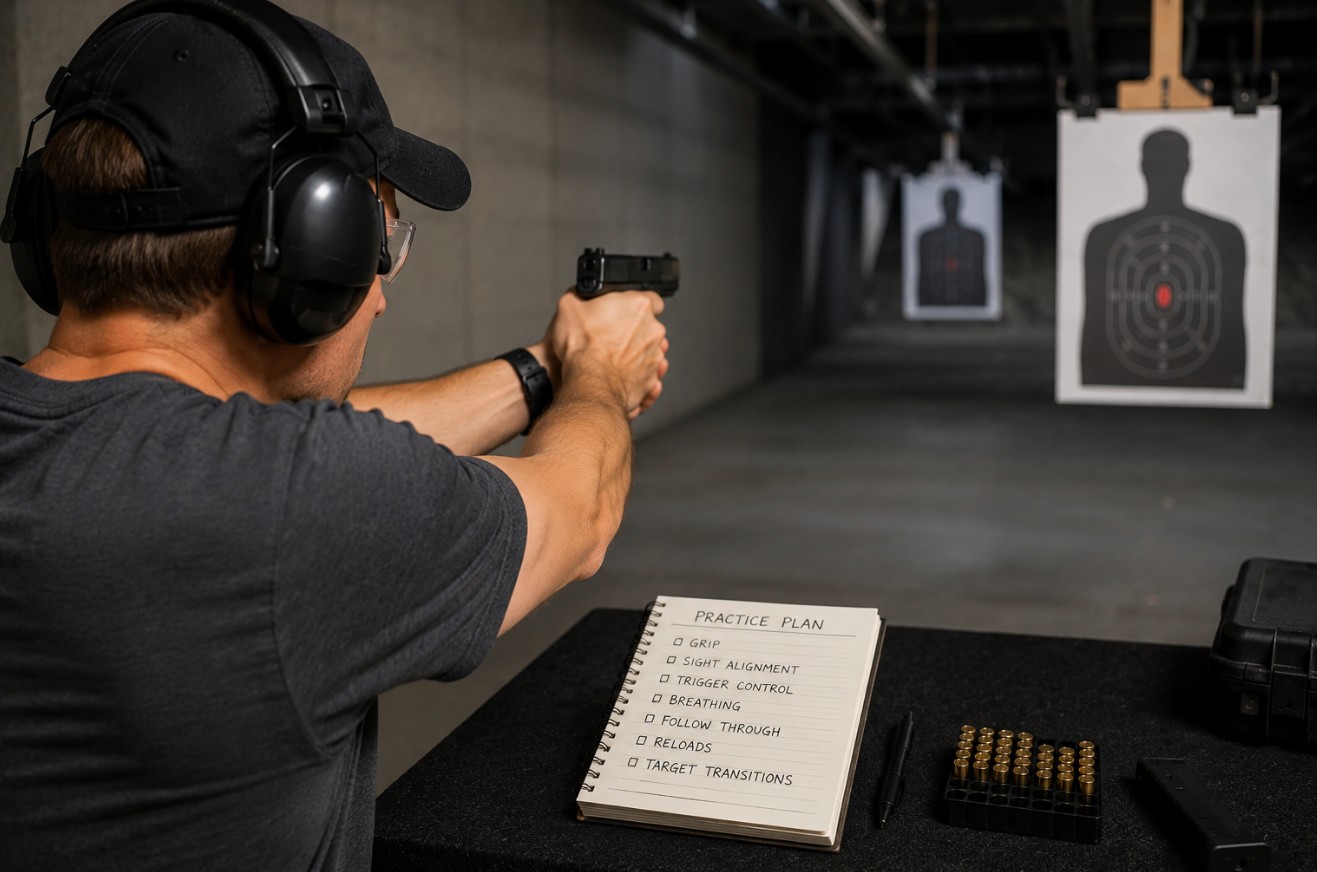
Owning a firearm comes with an ongoing responsibility to maintain the skills needed to handle it safely and effectively. Many gun owners invest time in training, earn their concealed carry permit, and complete firearms courses, but regular practice is what helps those skills remain sharp over time.
A common question among new and experienced shooters alike is simple: How often should you practice shooting?
The answer depends on your goals, experience level, and intended firearm use. A person who carries a concealed firearm for personal protection may have different training needs than someone who enjoys recreational shooting a few times each year.
Understanding how practice affects performance can help you create a realistic training schedule that supports safe and responsible firearm ownership.
Firearm skills are perishable. Without regular repetition, important fundamentals can gradually decline.
These skills include:
Even experienced shooters can notice a decline in performance after extended periods away from the range.
Regular practice helps maintain muscle memory and reinforces safe habits that become automatic during high-pressure situations.
Many gun owners understand firearm safety and shooting fundamentals intellectually. Performing those skills consistently under real-world conditions is a different challenge.
Practice bridges the gap between knowledge and performance.
The more often shooters reinforce proper techniques, the more naturally those actions occur when needed.
There is no universal schedule that applies to every shooter. The ideal frequency depends on skill level and intended use.
For individuals who recently purchased their first firearm, more frequent practice is beneficial.
| Experience Level | Recommended Practice |
|---|---|
| First 6 Months | 2-4 range sessions per month |
| After Basic Training | At least twice per month |
| CCW Permit Holders | 2-4 sessions per month |
Frequent repetition during the early stages helps build strong habits and confidence.
New shooters should focus on mastering safety procedures and marksmanship fundamentals before progressing to advanced drills.
Once basic skills become comfortable and consistent, shooters can often maintain proficiency with slightly less frequent range visits.
At this stage, quality often becomes more important than quantity.
Focused practice sessions tend to produce better results than simply firing large amounts of ammunition without a specific goal.
Individuals who carry firearms daily or prioritize personal protection should train more regularly.
A recommended schedule may include:
Higher training frequency helps maintain skills that may be required under stressful conditions.
Many shooters assume that maintaining proficiency requires frequent trips to the range. While live-fire training remains important, dry-fire practice can also provide significant benefits.
Live-fire practice allows shooters to:
These elements cannot be fully replicated without firing actual rounds.
Dry-fire training involves practicing firearm handling techniques without live ammunition.
Benefits include:
Many professional instructors recommend combining both methods for maximum improvement.
Before beginning any dry-fire practice:
Long range sessions are not always necessary.
In many cases, a focused 30- to 60-minute practice session produces better results than spending several hours shooting without a plan.
Effective practice sessions often include:
Purpose-driven training helps maximize improvement while conserving ammunition and range time.
Some indicators suggest it may be time to increase your training frequency.
If group sizes are expanding or shots consistently miss intended targets, additional practice may be beneficial.
Feeling uncertain while handling your firearm can indicate that skills need reinforcement.
Several months without practice often results in diminished performance and slower reaction times.
Struggling with loading, unloading, malfunction clearing, or sight alignment may signal a need for additional training.
Many shooters focus heavily on the number of rounds fired during a practice session.
Round count alone does not guarantee improvement.
A shooter who fires 50 carefully aimed rounds while focusing on technique may learn more than someone who rapidly fires 300 rounds without purpose.
Consider working on:
Each session should have a specific objective.
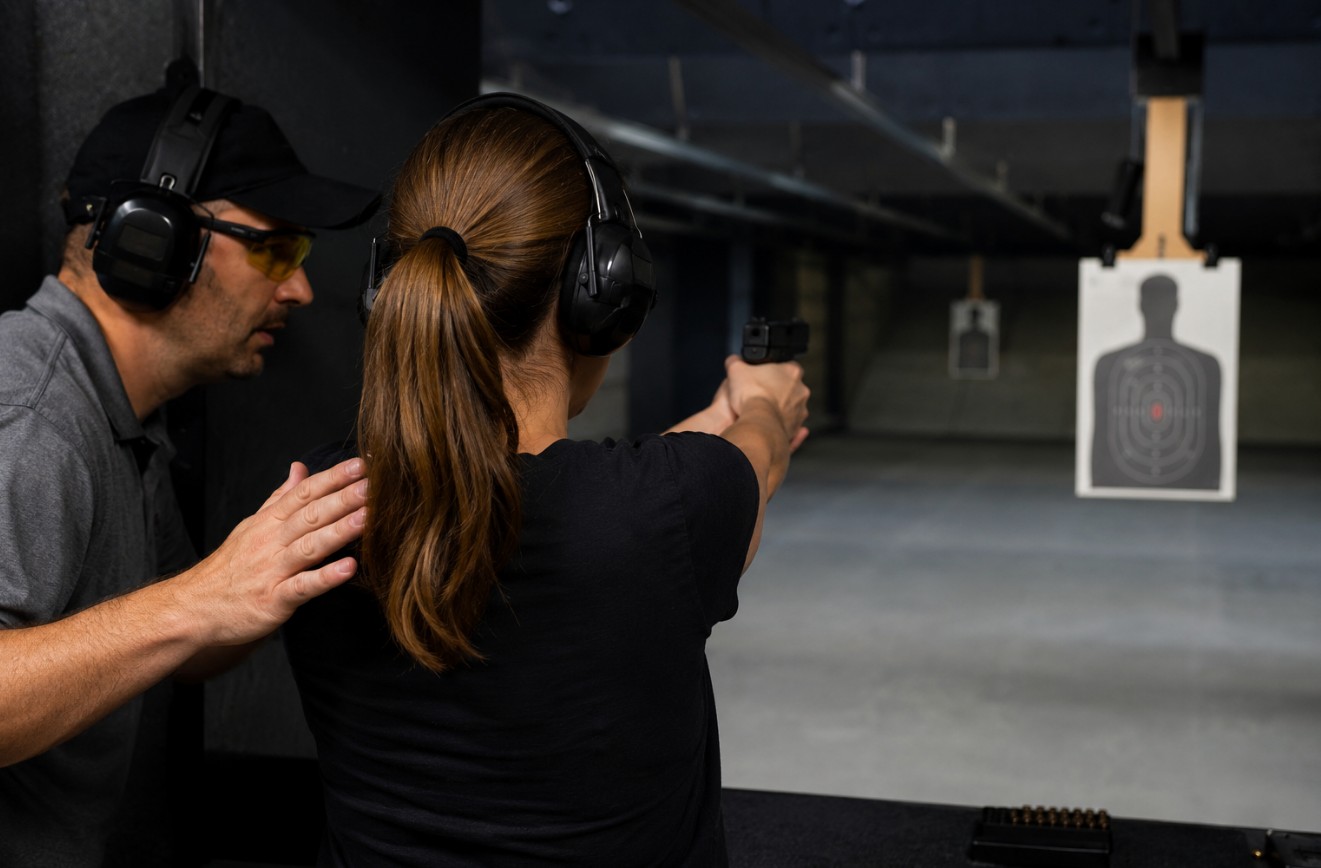
Range practice is important, but professional instruction provides benefits that self-guided practice cannot always offer.
Certified firearms instructors can:
Many shooters discover significant improvements after attending refresher courses or advanced training programs.
Popular options include:
Continued education helps shooters stay engaged and continue progressing.
The most effective practice schedule is one you can maintain consistently.
A practical monthly plan might include:
| Activity | Frequency |
|---|---|
| Live-Fire Range Session | 1-2 Times Monthly |
| Dry-Fire Practice | Weekly |
| Firearm Cleaning and Inspection | Monthly |
| Professional Training Course | Annually |
Consistency often delivers better long-term results than occasional intensive training sessions.
Maintaining firearm skills requires ongoing effort. While every shooter’s needs differ, most gun owners benefit from at least one or two range sessions per month combined with regular dry-fire practice.
Consistent training reinforces safety habits, improves accuracy, builds confidence, and helps ensure that firearm handling skills remain sharp over time.
For concealed carry permit holders and individuals who rely on firearms for personal protection, regular practice is an essential part of responsible gun ownership. By developing a realistic training schedule and continuing professional education, shooters can maintain the skills necessary to use their firearms safely and effectively.