
Loading...
Loading...
Carrying a concealed firearm is a significant responsibility that extends far beyond obtaining a permit and purchasing a handgun. Responsible concealed carry requires a solid understanding of the laws that govern where, when, and how a firearm may be carried.
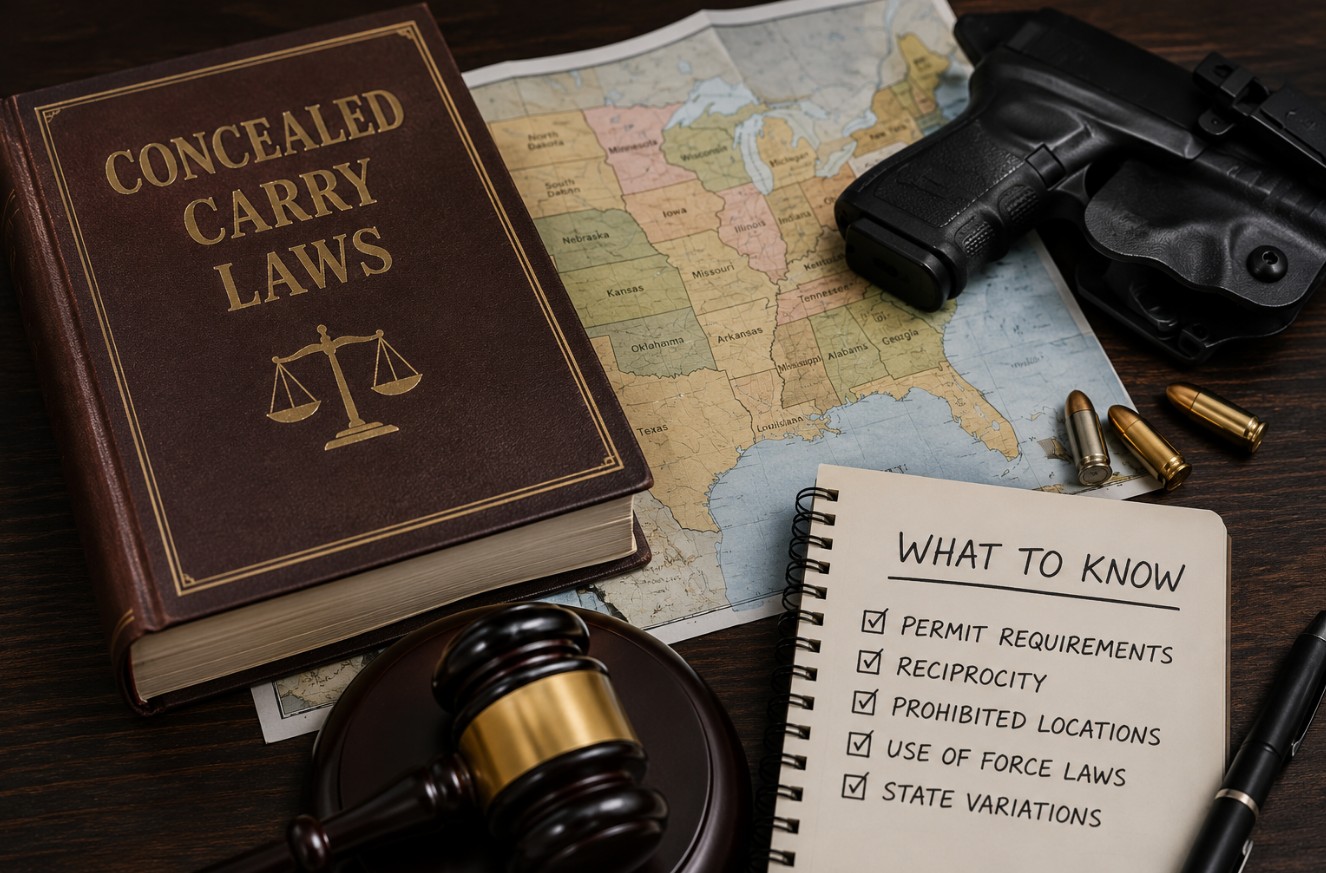
One of the most important things every gun owner should understand is that concealed carry laws are not the same across the United States. Requirements, restrictions, permit processes, and legal standards can vary significantly from one state to another.
Before carrying a firearm, gun owners should familiarize themselves with the laws in their state and any state they plan to visit.
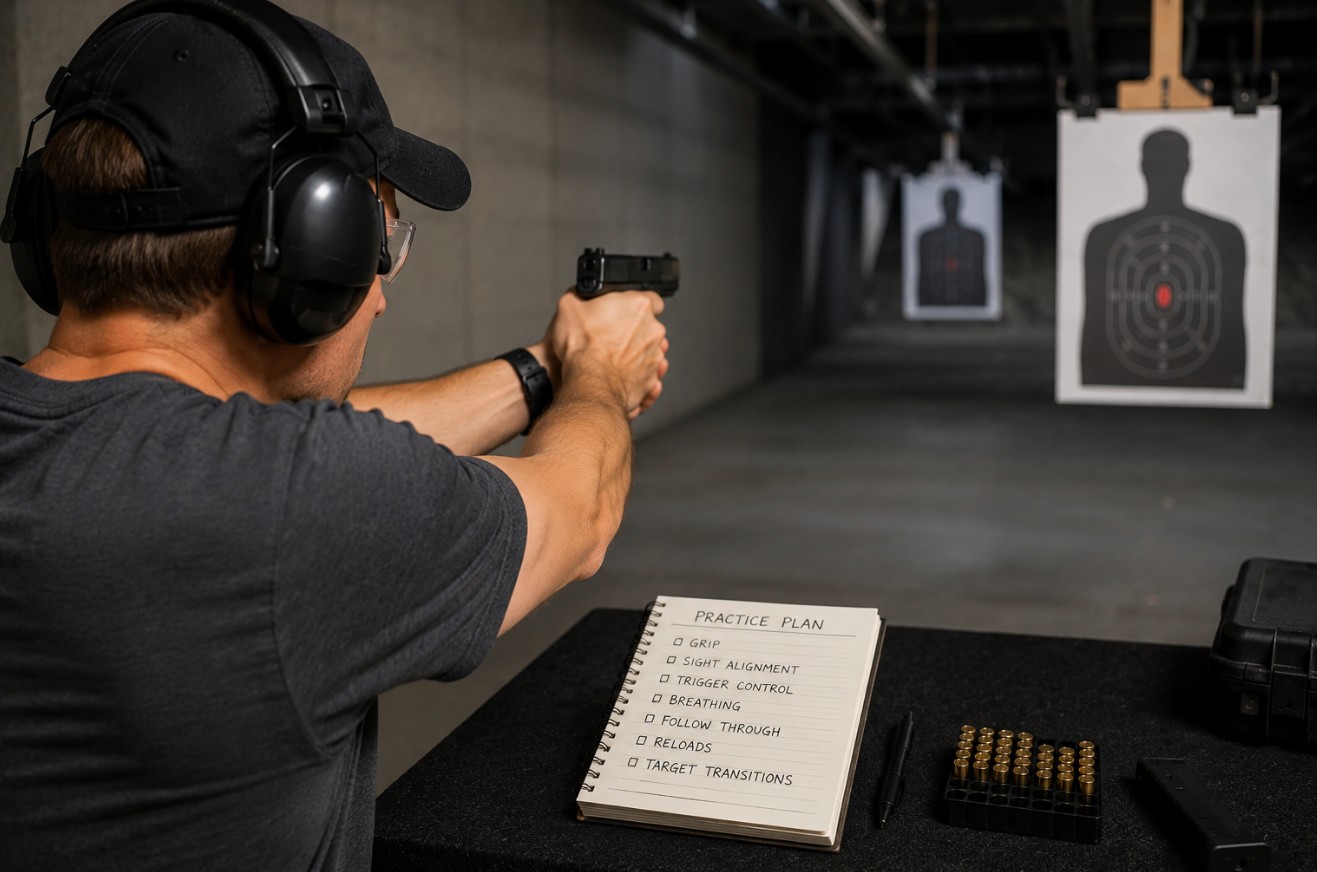
Many gun owners focus heavily on firearm training and marksmanship. While those skills are important, legal knowledge is equally critical.
A misunderstanding of concealed carry laws can result in:
Responsible gun owners recognize that carrying a firearm includes both practical and legal responsibilities.
One of the most common misconceptions among new gun owners is that concealed carry laws are identical nationwide.
In reality, every state has its own laws regarding:
A legal action in one state may be prohibited in another.
For this reason, gun owners should regularly review the laws applicable to their location and any destination they plan to visit.
Some states require individuals to obtain a concealed carry permit before carrying a handgun in public.
Other states allow permitless carry, sometimes referred to as constitutional carry.
Even in states that allow permitless carry, obtaining a permit may still provide benefits such as:
Because permit laws change periodically, it is important to verify current requirements through official state resources.
Depending on the state, applicants may be required to:
| Requirement | Possible State Requirement |
|---|---|
| Minimum Age | 18 or 21 years old |
| Background Check | Required |
| Firearms Training Course | Required in some states |
| Fingerprinting | Required in some states |
| Residency Verification | Often required |
| Application Fee | Varies by state |
Not every state requires all of these elements.
Some states require applicants to complete an approved firearms training course before receiving a concealed carry permit.
Training may include:
Other states may not require formal training at all.
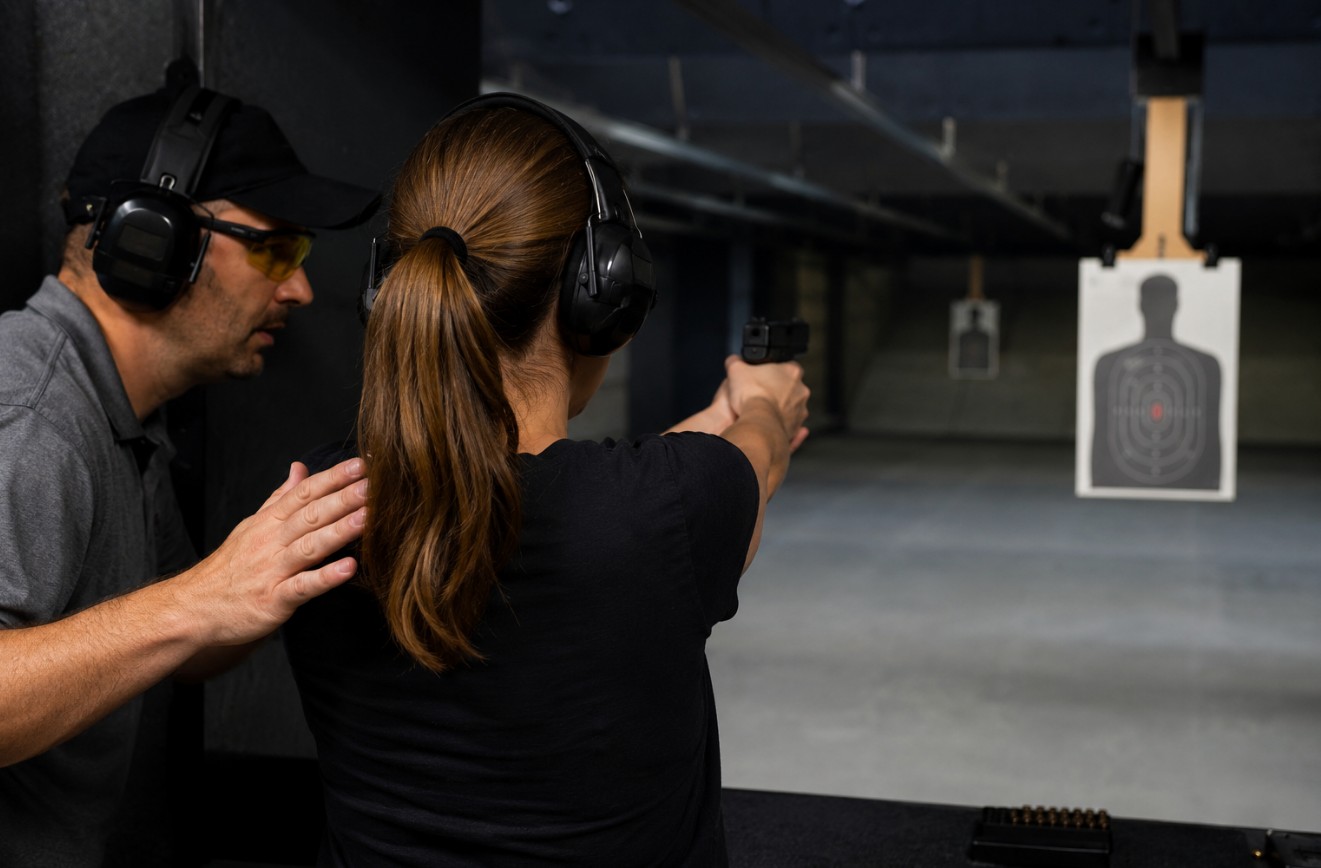
Regardless of legal requirements, professional firearms training is strongly recommended for anyone considering concealed carry.
Training helps build safe habits and provides valuable knowledge about the responsibilities associated with carrying a firearm in public.
Concealed carry reciprocity refers to agreements between states that recognize each other’s permits.
For example, a permit issued in one state may allow legal concealed carry in another participating state.
However, reciprocity agreements can change, and not all states recognize permits from every jurisdiction.
Before traveling with a firearm, gun owners should:
Never assume a permit is valid in another state without confirming current regulations.
Even in states with broad concealed carry rights, firearms may be prohibited in specific locations.
Common examples include:
The list of prohibited locations varies by state and jurisdiction.
Responsible gun owners should research applicable restrictions before carrying in unfamiliar areas.
Many states allow private property owners to restrict firearms on their premises.
Businesses may post signs indicating that firearms are prohibited.
The legal consequences of ignoring posted notices vary by state.
Understanding local regulations regarding private property restrictions is essential.
Every concealed carry permit holder should understand the legal standards governing the use of force.
State laws may differ regarding:
The circumstances under which deadly force may be legally justified can vary significantly.
Because of these differences, gun owners should become familiar with the specific self-defense laws in their state.
A concealed carry permit does not grant law enforcement authority.
Permit holders remain private citizens and are subject to the same laws governing the use of force as everyone else.
Understanding this distinction is important for responsible decision-making.
Some states require concealed carry permit holders to immediately notify law enforcement officers that they are carrying a firearm during a traffic stop or other official encounter.
Other states do not impose this requirement.
Because notification laws vary, permit holders should understand the rules that apply in their state.
During any interaction with law enforcement:
Professional conduct can help ensure a safe interaction for everyone involved.
Firearm laws are subject to legislative updates and court decisions.
Requirements that apply today may change in the future.
Responsible gun owners should periodically review:
Staying informed helps ensure ongoing legal compliance.
When researching concealed carry laws, rely on:
Social media posts and online discussions may contain outdated or inaccurate information.
Carrying a concealed firearm requires more than shooting proficiency.
A responsible concealed carrier should possess:
Professional concealed carry courses often combine legal education with practical training, helping students become more informed and responsible firearm owners.
Concealed carry laws play a critical role in responsible firearm ownership. While the right to carry may be protected in many jurisdictions, the rules governing permits, training, reciprocity, prohibited locations, and self-defense can vary considerably from one state to another.
Every gun owner should take the time to understand the laws that apply in their area and remain informed as regulations evolve. By combining legal knowledge with professional firearms training and safe firearm handling practices, concealed carriers can better protect themselves while remaining responsible, informed members of their community.